outubro 2025

Trends in LED display technology for advertising and events

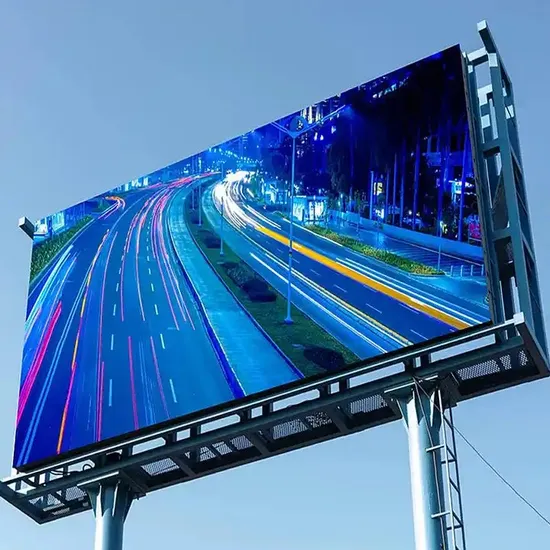
Trends in LED Display Technology for Advertising and Events Meta Description (SEO):Discover the latest trends in LED display technology for advertising and events. Learn how Indoor LED Panels, Outdoor LED Panels, and advances from top Manufacture of LED Panels are shaping visual communication worldwide. The Rise of LED Display Technology Over the past decade, LED display technology has revolutionized the advertising and events industries. From massive outdoor billboards to immersive indoor experiences, LED panels are redefining how brands connect with audiences. Thanks to innovations from the world’s leading Manufacture of LED Panels, displays are now brighter, more energy-efficient, and visually stunning — offering unprecedented creative freedom for advertisers and event organizers. 1. Ultra-Fine Pixel Pitch and High Resolution One of the biggest trends in LED technology is the development of ultra-fine pixel pitch panels. For advertisers, the benefit is clear: sharper images mean more impact and stronger brand recall. 2. Outdoor LED Panels with Smart Brightness and Weatherproof Design Modern Outdoor LED Panels are smarter and more resilient than ever. Manufacturers now integrate adaptive brightness technology, allowing screens to automatically adjust to daylight or night-time conditions. Combined with IP65+ weatherproof enclosures, these panels perform reliably in rain, dust, and extreme temperatures. This makes them the go-to solution for stadiums, concerts, festivals, and urban billboards where visibility and durability are crucial. 3. Transparent and Flexible LED Displays The era of rigid LED structures is fading. The newest trend among Manufacture of LED Panels is the creation of transparent and flexible LED screens that can bend, wrap, or blend into architectural designs. These innovative panels allow designers to turn glass walls, stages, and even curved surfaces into digital canvases — combining aesthetics and functionality. In events and retail spaces, transparent LEDs are now used for creative storytelling, offering audiences an unforgettable visual experience without blocking natural light or architectural views. 4. Energy Efficiency and Sustainability As environmental concerns grow, the LED industry is moving toward greener, energy-efficient solutions. Modern LED panels now consume up to 40% less power than older models while maintaining higher brightness and contrast levels. Manufacturers are also focusing on recyclable materials and longer lifespan components, reducing waste and maintenance costs. For advertisers and event organizers, this means lower operational costs and a smaller carbon footprint — an increasingly important factor for brand reputation. 5. Integration with AI and Real-Time Data Another game-changing trend is the integration of AI and data-driven control systems. AI-enabled Indoor and Outdoor LED Panels can now: This combination of technology and intelligence is transforming LED screens from static displays into interactive marketing tools that react dynamically to audiences. 6. Modular and Rental-Friendly Designs For the event industry, flexibility is key. Manufacturers are now producing modular LED panels that are lightweight, easy to assemble, and designed for temporary installations. Rental companies and event agencies benefit from quick setup, robust durability, and universal connection systems, allowing them to adapt displays to different venues and creative needs. Whether it’s a music festival, corporate launch, or trade show, modular LED displays enable fast deployment and high visual impact. The Future of LED Displays The next generation of LED technology is already on the horizon — featuring microLED, 8K resolution, and AI-powered visual optimization. As costs continue to drop and innovation accelerates, LED screens will become even more accessible and customizable. With top Manufacture of LED Panels pushing the boundaries of design and performance, the future promises immersive digital environments that merge reality with imagination. Final Thoughts From Indoor LED Panels that transform event stages to Outdoor LED Panels that light up entire cities, LED technology continues to redefine visual communication. Brands that embrace these trends gain a powerful edge — captivating audiences through brighter, smarter, and more sustainable displays. If you’re planning your next marketing activation or large-scale event, consult a trusted manufacture of LED panels to explore cutting-edge solutions that align with your goals and audience experience.

Trends in LED display technology for advertising and events Read More »
How to Choose the Right Pixel Pitch for Your LED Screen

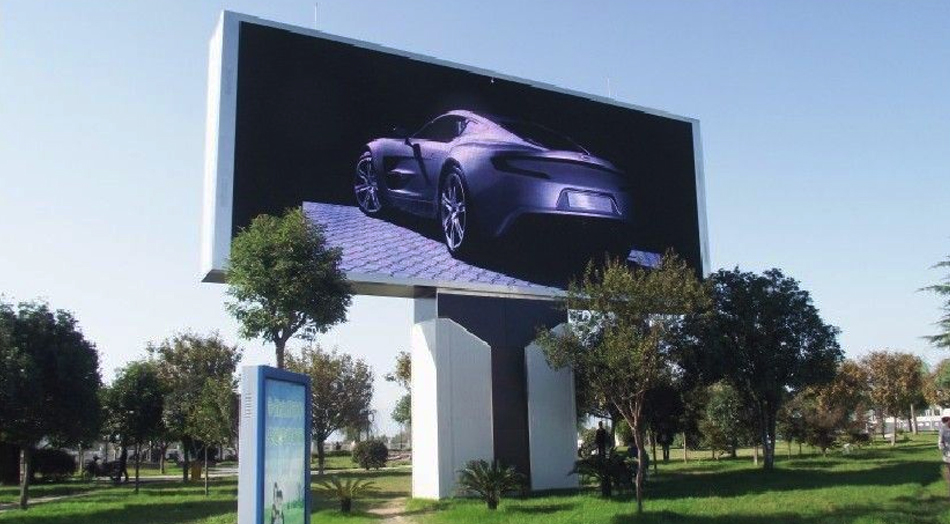
How to Choose the Right Pixel Pitch for Your LED Screen Meta Description (SEO):Learn how to choose the right pixel pitch for your LED screen. Understand the key differences between Indoor LED Panels and Outdoor LED Panels to make the best investment for your project. Understanding Pixel Pitch in LED Technology When selecting the ideal LED screen, pixel pitch is one of the most critical factors to consider. Pixel pitch refers to the distance between two adjacent pixels, measured in millimeters. The smaller the pitch, the higher the pixel density — which means better image resolution and clarity. In simple terms: Understanding this difference helps you balance cost, performance, and visual quality — ensuring your LED display perfectly fits its purpose. Indoor vs Outdoor LED Panels: What’s the Difference? Choosing between Indoor LED Panels and Outdoor LED Panels depends largely on where and how you intend to use your display. 1. Indoor LED Panels Indoor LED screens are designed for environments such as shopping malls, corporate lobbies, conference rooms, and stages.Key features include: 👉 Ideal choice: when you need crisp, vibrant visuals and viewers are within a few meters of the screen. 2. Outdoor LED Panels Outdoor LED displays are engineered to withstand weather conditions, direct sunlight, and longer viewing distances.Typical characteristics: 👉 Ideal choice: when your LED screen will be used for billboards, stadiums, building facades, or public events. How to Choose the Right Pixel Pitch To select the best pixel pitch for your LED screen, consider the following: 1. Viewing Distance A general rule of thumb: The optimal viewing distance (in meters) ≈ pixel pitch (in mm). For example: 2. Budget Smaller pixel pitches cost more due to higher LED density. Choosing the right balance between resolution and cost ensures a smart investment. If your audience views the screen from a distance, a larger pitch can save you significant costs without sacrificing quality. 3. Installation Environment Assess whether your screen will face indoor lighting or harsh outdoor conditions.Work with a trusted Manufacture of LED Panels that can guide you through specifications like brightness, contrast ratio, refresh rate, and durability ratings. 4. Content Type High-detail visuals (videos, presentations, product showcases) demand smaller pixel pitches, while simple text or graphics can use larger pitches effectively. The Role of LED Panel Manufacturers Partnering with a professional Manufacture of LED Panels ensures your project runs smoothly from concept to installation. Reliable manufacturers offer: Whether you need Indoor LED Panels for an immersive retail experience or Outdoor LED Panels for a large-scale advertising display, expert guidance will help you achieve the perfect balance between clarity, brightness, and durability. Final Thoughts Choosing the right pixel pitch isn’t just a technical decision — it’s an investment in visual impact and audience engagement. By understanding how pixel pitch, environment, and content type interact, you can select the ideal LED solution for your specific needs. If you’re planning your next LED project, consult a specialized manufacture of LED panels to receive personalized recommendations for Outdoor LED Panels or Indoor LED Panels that align perfectly with your vision.

How to Choose the Right Pixel Pitch for Your LED Screen Read More »

Energy Efficiency and Maintenance Tips for LED Displays

Energy Efficiency and Maintenance Tips for LED Displays LED displays have become a cornerstone of modern advertising, entertainment, and public communication. They offer bright, dynamic visuals with far lower energy consumption than traditional lighting technologies. However, to maximize their performance and lifespan, it’s essential to combine energy-efficient practices with proper maintenance. 1. Optimize Brightness Levels Running your LED display at maximum brightness all the time wastes energy and shortens the lifespan of the diodes. 2. Schedule Smart Operating Hours Not all hours require full display operation. 3. Ensure Proper Ventilation and Temperature Control LED modules generate heat that, if not managed, can affect performance and energy use. 4. Perform Regular Cleaning and Inspection Dust, moisture, and debris can accumulate on LED panels, blocking light and increasing power needs. 5. Update Software and Firmware Regularly Many energy-saving features depend on software optimization. 6. Choose Quality Components Investing in high-quality LED modules, drivers, and power supplies ensures better energy efficiency from the start. 7. Implement Preventive Maintenance Instead of waiting for failures, schedule routine inspections every 3–6 months. Conclusion Maximizing energy efficiency and maintaining LED displays properly not only reduces operational costs but also extends the equipment’s life and ensures vibrant performance for years. By applying smart brightness control, scheduled operation, and preventive maintenance, businesses can enjoy sustainable, reliable, and cost-effective digital signage solutions.

Energy Efficiency and Maintenance Tips for LED Displays Read More »

Differences between flexible and rigid LED panels: applications and benefits

Differences between flexible and rigid LED panels: applications and benefits LED display technology has evolved dramatically over the past decade, offering creative and high-performance solutions for both indoor and outdoor applications. Among the most versatile options available today are flexible and rigid LED panels. Understanding their differences, strengths, and best-fit applications can help you make the right choice for your next project. 1. Structural Differences Rigid LED Panels Rigid LED panels are built on solid aluminum or PCB boards, giving them a firm, stable structure. They are typically rectangular in shape and come in standard sizes, making them ideal for flat surfaces and modular video walls. Flexible LED Panels Flexible LED panels, on the other hand, are made from soft, bendable materials such as silicone or thin PCBs, allowing them to curve, fold, or wrap around surfaces. Their lightweight and adaptable structure make them perfect for creative and irregular shapes. 2. Installation and Maintenance Rigid Panels Rigid panels are designed for precise, modular installation. They’re easy to assemble into large video walls with seamless alignment. Maintenance is straightforward, with front or rear access depending on the model. However, their rigidity limits them to flat installations only. Flexible Panels Flexible panels offer unmatched design freedom, especially in venues that require unique display shapes. Installation may be slightly more complex, as it requires careful handling to prevent damage to the flexible circuitry. Yet, their magnetic or lightweight frame systems often make mounting faster and easier. 3. Visual Performance Both panel types can deliver high brightness, contrast, and resolution, but their intended use cases differ: 4. Applications Overview Application Type Best Option Reason Concert stages & exhibitions Flexible Dynamic shapes and immersive visuals Corporate lobbies & retail stores Flexible Creative, eye-catching installations Sports arenas & billboards Rigid High durability and weatherproof design Control rooms & broadcast studios Rigid Precise alignment and high resolution 5. Benefits Summary Benefits of Rigid LED Panels Benefits of Flexible LED Panels 6. Choosing the Right LED Panel Your choice between flexible and rigid LED panels depends on the project’s purpose, design needs, and installation environment. Conclusion Both flexible and rigid LED panels bring powerful visual impact, but their value lies in matching the right technology to the right space. Whether you’re designing a futuristic retail environment or building a stadium screen, understanding their differences ensures maximum performance, efficiency, and aesthetic appeal.

Differences between flexible and rigid LED panels: applications and benefits Read More »

Cost of large outdoor LED screen.

Cost of large outdoor LED screen. Outdoor LED screens have become a powerful tool for advertising, events, and entertainment. From concerts and sports arenas to digital billboards, they capture attention with high brightness and vivid images. But if you’re considering investing in one, the key question is: how much does a large outdoor LED screen cost? The answer depends on several factors — let’s break them down. 1. Size and Resolution ]The bigger the screen, the higher the cost. Outdoor LED displays are usually priced per square meter, with larger dimensions requiring more LED modules, power supplies, and structural support. Resolution also plays a role. A smaller pixel pitch (e.g., P4 or P6) means sharper image quality but at a higher price, while larger pitches (e.g., P10 or P16) are more affordable for long-distance viewing. 2. Installation and Structure The screen itself is just part of the investment. Installation costs include: Depending on complexity, installation may add 10–20% to the total cost. 3. Control System and Software A reliable video processor and control system is crucial for managing content, brightness, and real-time playback. Basic systems are more affordable, while advanced solutions (with remote management, multiple inputs, or 4K support) increase the budget. 4. Weather Resistance and Durability Outdoor LED screens must withstand rain, wind, and sunlight. Higher IP ratings (e.g., IP65 or IP67) ensure better protection but also come with a higher price tag. Quality materials and durable cabinets also add to long-term value. 5. Maintenance and Operating Costs LED displays consume significant energy, and costs vary depending on screen size and brightness settings. Regular maintenance — such as replacing faulty modules or power supplies — should also be factored into the budget. On average, annual operating costs can reach 5–10% of the initial investment. Final Thoughts The cost of a large outdoor LED screen can range widely — from $10,000 for smaller units to well over $200,000 for stadium-level displays. The exact price depends on size, resolution, installation, and features. For businesses, this investment often pays off through high visibility, dynamic advertising, and audience engagement. Choosing the right balance between quality and budget is essential to maximize ROI.

Cost of large outdoor LED screen. Read More »